Published: December 8, 2025, 01:02 AM
The coalition includes Breaking the Silence, JAAGO Foundation, Manusher Jonno Foundation, Oxfam in Bangladesh, Plan International Bangladesh, Save the Children in Bangladesh, and WaterAid Bangladesh
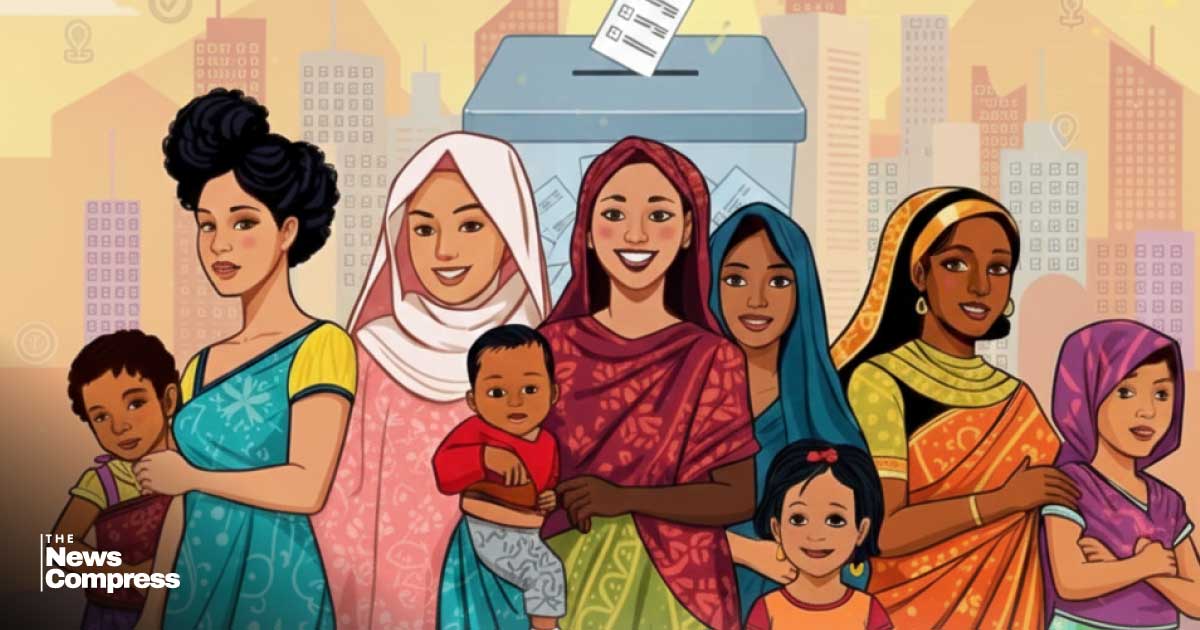
Ahead of the February 2025 national election, seven national and international organizations have joined forces to form the Coalition for Advancing Equality and Justice, a countrywide platform aimed at ensuring that women’s and children’s rights take center stage in upcoming election manifestos.
The coalition includes Breaking the Silence, JAAGO Foundation, Manusher Jonno Foundation, Oxfam in Bangladesh, Plan International Bangladesh, Save the Children in Bangladesh, and WaterAid Bangladesh.
Over the past few weeks, the coalition has conducted regional consultations, evidence reviews, and community-level listening sessions to understand the needs and priorities of women and children across urban, rural, and climate-vulnerable areas. Findings from these engagements, along with insights from the coalition’s initial position paper, will inform a set of concrete policy demands to be presented at a high-level dialogue with political parties in Dhaka on December 14.
“This coalition has been formed to ensure that the voices, struggles, and aspirations of Bangladesh’s majority population—women and children—are not sidelined once again in political commitments,” the coalition said in a joint statement.
Bangladesh is currently under an interim government ahead of the February 2025 national election, a period when election manifestos play a key role in shaping political agendas, budget allocations, service delivery, public investment, and long-term development strategies.
Women constitute 50.8% of the population and children 33%, yet their needs are often weakly reflected in political commitments. Persistent vulnerabilities—including gender-based violence, early marriage, learning poverty, malnutrition, unsafe migration, and climate-related risks—remain widespread.
According to the VAW Survey 2024 conducted by BBS and UNFPA, 70% of ever-married women reported experiencing intimate partner violence. Bangladesh also has Asia’s highest child marriage prevalence, at 51.4%, according to UNICEF, UN Women, and Plan International. Children in slums, chars, and coastal zones face heightened deprivation in health, education, and protection, with disabled children disproportionately excluded.
The climate crisis further exacerbates these challenges. The World Bank’s Groundswell Report (2021) projects 19 million internal climate migrants by 2050, placing women and children at the highest risk.
Initial consultations by the coalition highlight five urgent priority areas requiring political commitment: Education, Health and Nutrition, Protection, Climate Vulnerability, Diversity & Inclusion, and WASH (Water, Sanitation, and Hygiene).
“Political leaders must recognize that the wellbeing of women and children is not a peripheral agenda; it is the foundation of a just, resilient, and future-ready nation,” the coalition emphasized, urging all political parties to commit to evidence-based, adequately financed, and inclusive policies that respond to the lived realities of women and children.