Published: May 8, 2026, 09:48 PM
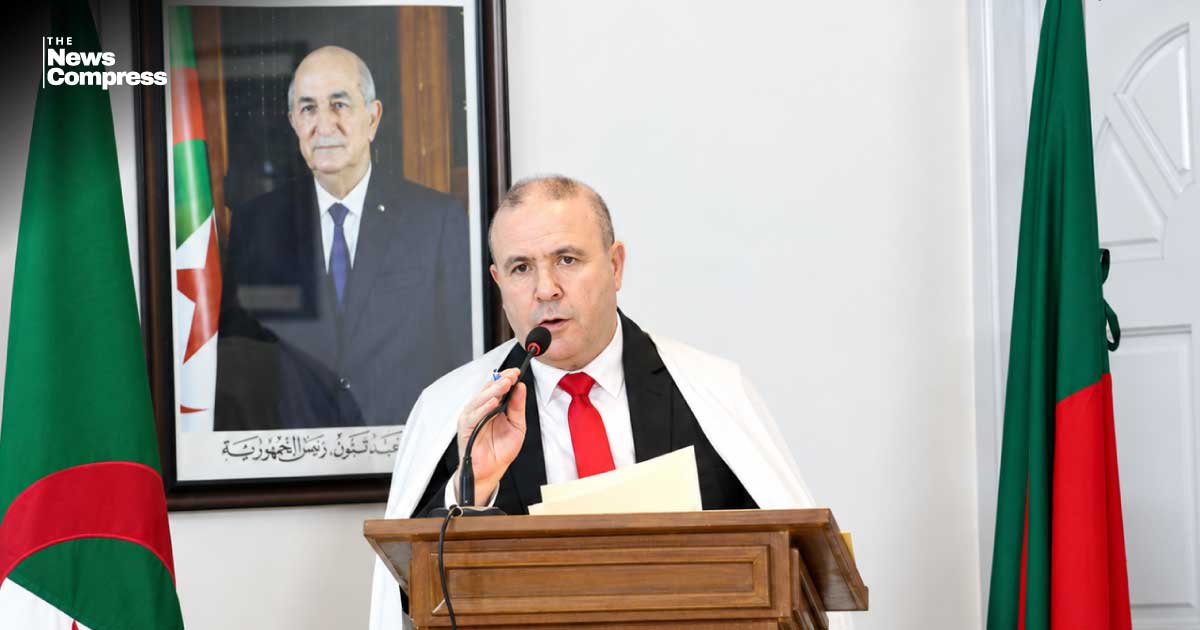
Distinguished Guests, Honorable Dignitaries, Respected Freedom Fighters, Esteemed Journalists, Dear Compatriots, and Dedicated Staff,
Good morning. Shubho shokal!
Shobai ke shagotom!
Warm greetings to you all.
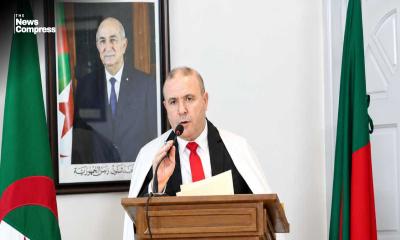
It is a true privilege and a heartfelt honor to address you today. Your gracious presence adds deep meaning to this solemn gathering as we come together to observe Algeria’s National Day of Remembrance.
Ladies and Gentlemen,
Today, we commemorate the tragic events of May 8, 1945—the massacres of Sétif, Guelma, and Kherrata. The theme of this year’s remembrance, “The Massacres of May 8, 1945: Dimensions, Visions, Impacts,” invites us to reflect not only on the historical realities of French colonial policies, but also on the enduring imprint these events have left on Algeria’s national consciousness.
On that fateful day in 1945, as the world rejoiced at the end of the Second World War, Algerians marched peacefully to demand justice, dignity, and freedom. Despite assurances of reform and greater rights following the war, the French administration failed to uphold its commitments to the Algerian people. After standing beside France during the conflict, many Algerians had hoped for meaningful change; instead, they were met with disappointment as promised rights and recognition were denied.
This peaceful movement turned tragic when a young demonstrator, Bouzid Saal, was shot for refusing to lower the Algerian flag in defiance of colonial restrictions permitting only the French flag to be raised. His death became a powerful symbol of Algeria’s enduring struggle for freedom, dignity, and self-determination.

The violence rapidly spread from Sétif to Guelma and Kherrata, which has since been widely regarded as a deeply disproportionate response to the deaths of a few Europeans and pieds-noirs, French authorities and settler militias unleashed a brutal and systematic crackdown that endured for weeks. Villages were destroyed, civilians were executed, and countless lives were lost. Many historians have since described these acts as nothing short of barbarity, with the massacre toll reaching 45,000 victims.
Yet, amid this tragedy, the courage of those who marched—raising their flags despite oppression— remains a powerful symbol of resilience. Their sacrifice continues to inspire younger generations, instilling a sense of dignity, responsibility, and constructive patriotism.
Respected Attendees,
The events of May 8, 1945 marked a decisive turning point in Algerian history. They exposed the harsh realities of colonial rule and extinguished hopes for peaceful reform.
This moment catalyzed a shift toward organized resistance. The Special Organization (OS) emerged as a foundational structure, from which many leaders and movements developed. It served as a base for coordinated efforts, eventually leading to the formation of the National Liberation Front (FLN), which spearheaded the Revolution beginning on November 1, 1954.
Even today, these massacres remain a sensitive chapter in Algeria–France relations. Algeria has continued to seek formal recognition of these events as crimes against humanity.
It was not until 2005 that France acknowledged them as an “inexcusable tragedy.” While this was a significant step, many believe that full acknowledgment remains incomplete. Algeria has consistently called for deeper recognition and historical accountability.
Ladies and Gentlemen,
The memory of May 8, 1945 is not merely a reflection of the past—it is a call to unity and forward thinking. It reminds us of the immense cost of freedom and the importance of safeguarding sovereignty while building a stronger and more resilient nation.
Algeria’s independence, achieved on July 5, 1962, after 132 years of colonization and a long and arduous struggle, stands as a testament to the unwavering spirit of its people. It was a defining moment that restored national pride and secured the country’s rightful sovereignty.
Today, Algeria continues to draw strength from its past while striving toward a future of progress and opportunity—especially for its youth, who carry the promise of a thriving and prosperous nation.
Ladies and Gentlemen, The massacres of May 8, 1945, and the Bangladesh Liberation War of 1971, though separated by time and geography, share a profound connection. Both reflect the harsh realities of oppression and the unyielding determination of people to claim their right to self-determination.
Respected Audience,
Let us honor the memory of those who sacrificed their lives for freedom.
Glory and eternity to our righteous martyrs.
Let us also commit to working hand in hand, in a spirit of brotherhood and cooperation. We owe it to those freedom fighters who sacrificed their lives for their nations. Only through unity and shared purpose can we truly honor their sacrifices.
Thank you all for your kind attention. Long Live Algeria. Long live Bangladesh. Long live Algeria–Bangladesh friendship! Dhonnobad. Bhalo thakben!