Published: March 11, 2026, 12:14 AM
President Donald Trump claimed Monday he has a plan to address skyrocketing oil prices triggered by the US-Israeli war with Iran, but declined to provide details. Brent crude briefly hit $119 per barrel overnight—the highest level since the 2022 Ukraine war—before easing to around $100, as disruption in the Strait of Hormuz continues to rattle global markets.
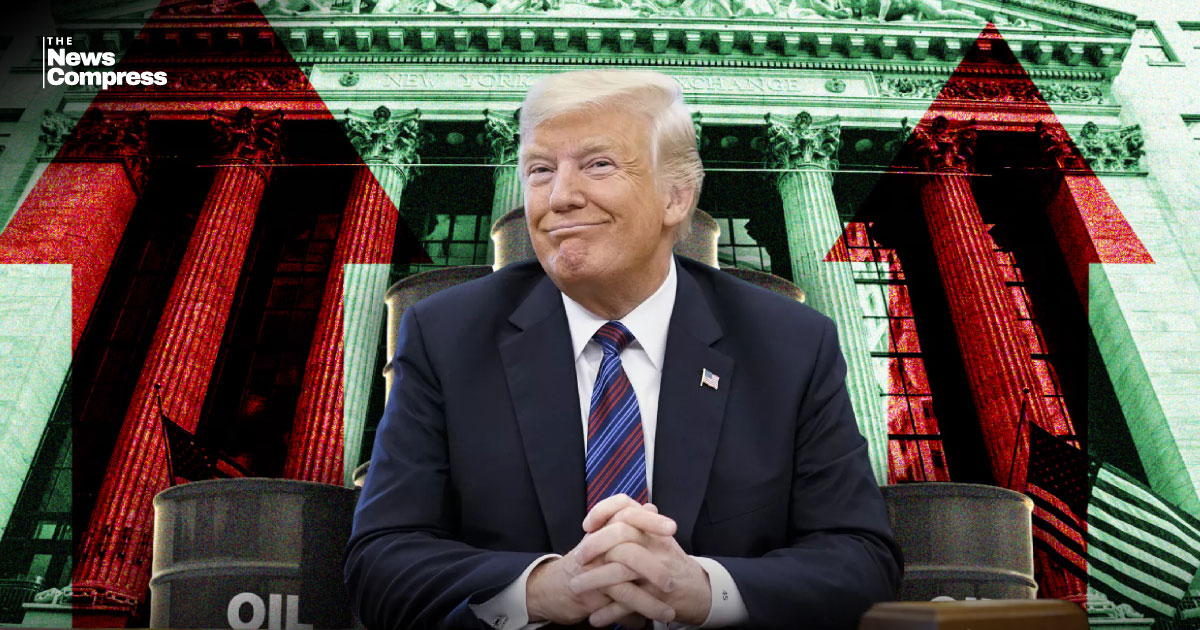
President Donald Trump assured Americans Monday that he has a strategy to counter soaring oil prices resulting from the ongoing US-Israeli offensive against Iran, though he offered no specifics on how his administration would address the growing energy crisis. "I have a plan for everything. You`ll be very happy," Trump told the New York Post on the 10th day of the military campaign.
Oil markets spike as Strait of Hormuz disruption continues
Global oil prices have surged dramatically since the joint attacks on Iran began Feb. 28, with Brent crude briefly touching $119 per barrel overnight—levels not seen since the early days of the Russia-Ukraine war in 2022. Prices have since moderated to approximately $100 per barrel, but market volatility remains high as the conflict shows no signs of abating. The price spike stems primarily from disruption to shipping through the strategic Strait of Hormuz, a critical chokepoint through which approximately 20 million barrels of oil normally transit daily.
Trump downplays price concerns
When questioned about rising gasoline costs affecting American consumers, Trump minimized the impact, stating "I don`t have any concern about it." He predicted prices "will drop very rapidly when this is over," adding "if they rise, they rise, but this is far more important than having gasoline prices go up a little bit." The president previously declined to rule out seizing Iranian oil to ease supply concerns, telling NBC News that "certainly people have talked about it" but that it was premature to discuss the matter.
Critics question war objectives
The president`s vague comments on energy prices come amid broader criticism that he has failed to clearly articulate to the public or lawmakers his rationale and objectives for launching the war against Iran. With no end to hostilities in sight and global economic repercussions mounting, pressure is building on the administration to provide greater clarity on its strategy for both the military campaign and its economic consequences. The situation remains fluid as Tehran continues retaliatory strikes and global markets brace for prolonged instability.