Published: February 3, 2026, 08:18 PM
Hundreds of Kenyan men were lured to Russia with promises of work, only to be sent to fight in Ukraine — many never returned.
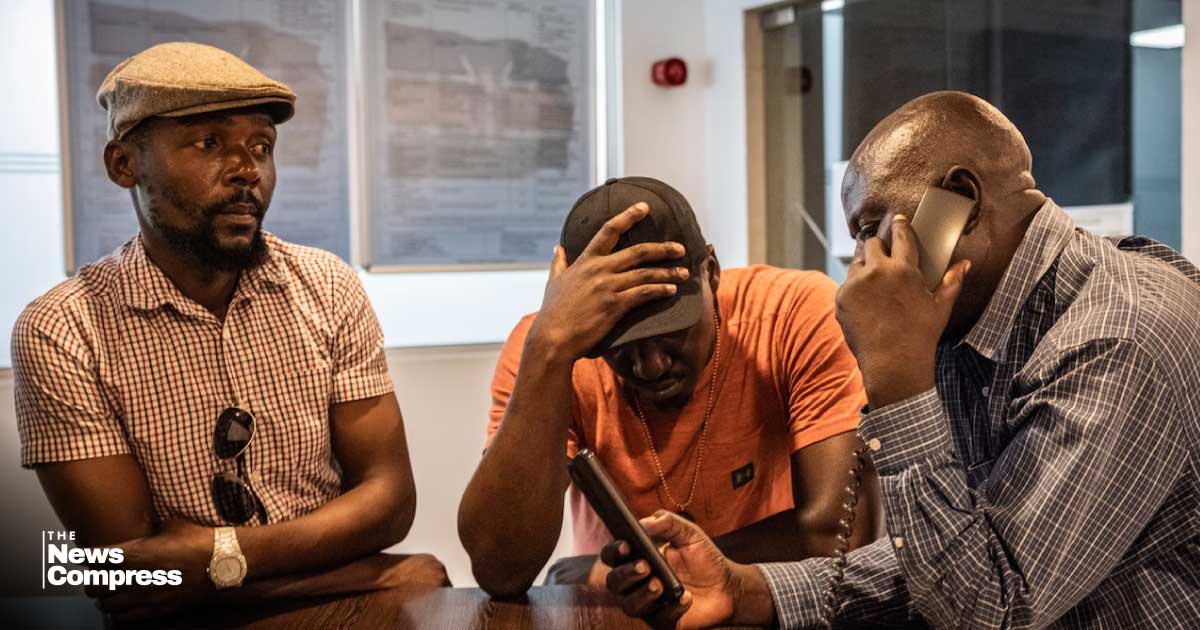
Hundreds of Kenyans have been recruited by the Russian military to serve on the front lines in Ukraine, according to former recruits and their families. Many have never returned.
Most men said they were tricked — offered civilian or “safe” security jobs in Russia, only to be handed a weapon and sent to the battlefield. Others were current or former soldiers who joined up as mercenaries, lured by promises of higher wages. The survivors described inhumane treatment by Russian commanders and harrowing scenes of slaughter.
While there have been isolated reports of Africans conscripted by Moscow to fight, The Washington Post uncovered an extensive clandestine pipeline stretching from Nairobi to the forests of eastern Ukraine. Russian recruitment in Kenya is more widespread, and more deadly, than previously reported, and the effort extends across the continent. The Post spoke to recruits or their family members in South Africa, Botswana, Tanzania and Nigeria, and it heard anecdotal accounts of fighters in Ukraine from eight other African countries, including Ghana, Zimbabwe and Cameroon — hidden victims of the largest European conflict since World War II.
The phenomenon is driven by two converging forces: economic desperation in Kenya, pushing young men to pursue vague promises of work thousands of miles from home, and the Russian military’s boundless appetite for fresh bodies, as it seeks to press its advantage in Ukraine without sending more of its own to die. In the middle are African recruiters, operating with direct or implicit help from political connections. Kenyan authorities have repeatedly urged young men to immigrate to Russia despite evidence that employment agencies are steering job seekers into combat.
This account is based on interviews with four Kenyans who fought in Ukraine — three of whom were wounded — and family members of nine other Kenyan recruits, including active-duty soldiers who traveled to Russia to join the military. Some came from specialized units run by military intelligence, or from the elite SPEAR team that guards the U.S. Embassy in Nairobi. The Post reviewed corroborating documents from the men sent to fight, as well as messages between recruiters and family members desperate for news of their loved ones.
Two of the injured Kenyans, neither of whom had military experience, said they were sent to fight in Ukraine with only a few days of training in a language they did not speak.
“They said: ‘Learn fast. We are taking you to the war,’” said the first man, whose hands were lacerated by shrapnel from a drone strike. He crossed rivers full of bodies on his first day, he said, and saw most of his party killed.
“I didn’t even see any people,” said the second Kenyan, who suffered burns to his head and hands in a separate incident. “It was just robots — drones — shooting at us.” Like others in this story, the men spoke on the condition of anonymity, fearing for their safety and for their fellow Africans still in the line of fire.
In November, Ukraine’s foreign minister said his government had identified 1,436 citizens from 36 African countries fighting for Russia.
“They are treated as second-rate, expendable human material,” Andrii Sybiha said in a post on X. Most, he added, “do not survive more than a month.”
Those who aren’t killed are often captured and imprisoned, survivors said, or wounded and prevented from returning home. Former recruits said those who refused to go to the front lines were threatened with arrest in Russia; others were deployed to deadly positions after their families talked to the media.
The Russian Defense Ministry did not respond to requests for comment.
The Kenyan government told The Post that it had learned of the recruitment schemes only through media reports three or four months ago, and that it was constrained by diplomatic norms. “Our ambassador
doesn’t have jurisdiction to leave his office and go into morgues,” said Hellen Gichuhi, Kenya’s secretary for diaspora welfare and partnerships. She declined to say how many Kenyans had asked the government about the fate of relatives in Russia, or how many Kenyans had been killed in Ukraine. “They are being recruited by rogue agencies,” she said.Although some conscripts reported receiving salaries, most said their bank accounts were raided or frozen by recruiters. Many families said their loved ones simply went silent. A single WhatsApp group for relatives of missing Kenyans has nearly 100 members. Some have already had their worst fears confirmed.
Kenyan Grace Gathoni, 38, said her husband and the father of their four children, Martin Macharia, left for Russia on Oct. 21 after being promised a job as a driver or a cleaner. He was forced to sign a contract he didn’t understand, she said, and deployed to Ukraine.
When they last spoke on Nov. 19, she said, Macharia asked for her prayers. A week later, she saw his body on a Kenyan news bulletin.
Her 4-year-old keeps asking when he will return home, she said. The older ones know he’s not coming back.